Antalya Airport to Kas, Kalkan, Demre & Patara: Complete Transfer Guide 2026
The Western Mediterranean coast of Turkey presents some of the most breathtaking travel destinations in the world. From the charming harbor town of Kas with its world-renowned diving opportunities, to the boutique hotel haven of Kalkan, the historical treasures of Demre with its connection to Santa Claus, and the pristine 18-kilometer beach of Patara, this region offers an unforgettable experience for visitors from around the globe. However, getting from Antalya Airport (AYT) to these remote coastal gems requires careful planning and reliable transportation.
This comprehensive guide covers everything you need to know about private airport transfers from Antalya Airport to the spectacular destinations of Kas, Kalkan, Demre, and Patara. Whether you are arriving for a relaxing beach vacation, an adventure-filled diving expedition, or a cultural exploration of ancient Lycian ruins, understanding your transfer options will ensure your journey begins smoothly and comfortably.
Understanding the Western Mediterranean Coast
The Western Mediterranean region of Turkey, often referred to as the Turquoise Coast or Ege Region, stretches along the stunning coastline south of Antalya. This area has remained relatively untouched by mass tourism compared to other Mediterranean destinations, preserving its authentic Turkish character while offering world-class amenities for discerning travelers. The region is characterized by dramatic cliffs, hidden beaches, crystal-clear turquoise waters, and a rich tapestry of ancient civilizations that have left their mark on the landscape.
The four destinations covered in this guide represent the gems of this coastline, each offering distinct experiences that complement one another. Many visitors choose to base themselves in one location while taking day trips to explore the others, while some prefer a multi-destination itinerary that showcases the full diversity of the region.
Distance and Travel Time Overview
Understanding the distances and travel times from Antalya Airport to each destination is crucial for planning your itinerary and managing expectations about your transfer experience. The coastal highway hugs the mountainous terrain, creating winding roads that offer spectacular views but require careful navigation and experienced drivers.
| Destination | Distance from AYT | Travel Time | Route Type |
|---|---|---|---|
| Kas | 190 km | 2.5 - 3 hours | Coastal Highway (D400) |
| Kalkan | 170 km | 2 - 2.5 hours | Coastal Highway (D400) |
| Demre | 150 km | 2 - 2.25 hours | Coastal Highway (D400) |
| Patara | 180 km | 2.5 - 3 hours | Coastal Highway (D400) |
Please note that these times represent optimal driving conditions during daylight hours with favorable traffic conditions. Travel times may be longer during peak season (July and August), in adverse weather conditions, or during night drives. The winding nature of the D400 coastal highway means that actual driving involves numerous curves and elevation changes that prevent higher speeds, even though the straight-line distances appear relatively modest.
The D400 Coastal Highway: A Journey of Scenic Wonders
The route from Antalya Airport to the Western Mediterranean coast destinations follows primarily the D400 highway, one of the most scenic road routes in Turkey. This legendary coastal highway winds along the Turquoise Coast, offering passengers breathtaking views of the Mediterranean Sea, dramatic clifftop vistas, and charming villages clinging to the mountainsides. The D400 is famous among road trip enthusiasts for its combination of natural beauty and challenging driving conditions that make an experienced driver absolutely essential.
As you leave Antalya Airport and head south and west, you'll pass through several notable areas. The first segment takes you through the outskirts of Antalya city, where you'll see a mix of modern Turkish tourism development and traditional neighborhoods. Gradually, the landscape becomes more rural and mountainous as you progress toward the coast. The road climbs and descends repeatedly as it navigates the terrain, with frequent sharp curves and hairpin turns that demand skilled driving.
One of the highlights of the journey is the transition from the Antalya plain into the coastal mountain ranges. You'll experience dramatic elevation changes that reward you with ever-improving views of the turquoise Mediterranean Sea below. During daylight hours, these views are spectacular and provide excellent photo opportunities at designated viewpoints. The road passes through pine forests, past olive groves, and occasionally through small villages that showcase authentic Turkish mountain culture.
Between Antalya and Kas, you'll encounter several notable landmarks and towns. The journey takes you past the resort areas of Beldibi and Kemer, then continues into more pristine territory as you progress toward the Lycian coast. The road becomes increasingly winding as you approach the true Mediterranean coast, with the mountains rising more dramatically on your left and the sea becoming increasingly visible and closer to the roadway.
Kas: The Diving Capital of Turkey
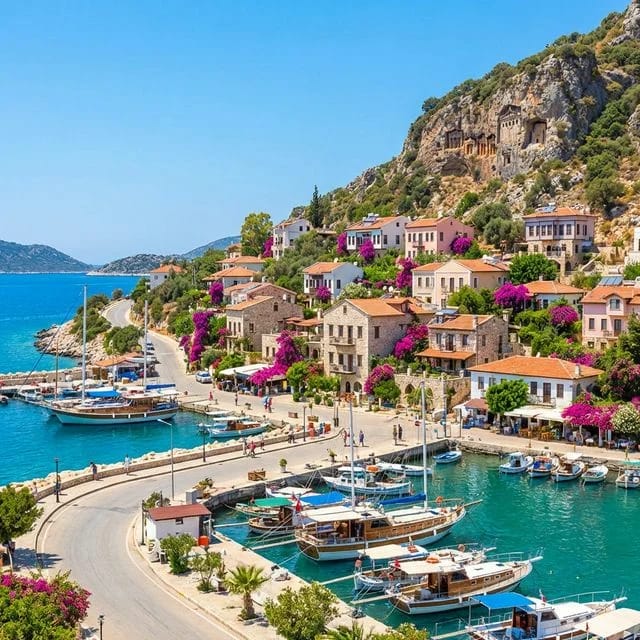
Kas represents the quintessential Mediterranean diving destination and has earned its reputation as Turkey's premier diving capital. This charming harbor town combines world-class underwater exploration opportunities with authentic Turkish hospitality, excellent seafood restaurants, and a relaxed atmosphere that draws adventure seekers and culture enthusiasts alike. The 190-kilometer journey from Antalya Airport to Kas, typically taking 2.5 to 3 hours via private transfer, delivers you to one of Turkey's most magnetic coastal destinations.
The town of Kas itself is remarkably compact and walkable, with narrow stone-paved streets, whitewashed buildings with colorful shutters, and numerous small hotels, pensions, and restaurants offering visitors a truly Mediterranean experience. The harbor area bustles with activity, particularly during the diving season from April through November, as diving schools and boat operators prepare for daily expeditions to some of the world's most pristine dive sites.
Diving Opportunities and Underwater Adventures
Kas serves as the gateway to some of the Mediterranean's most spectacular diving sites. The region features numerous underwater attractions including pristine coral formations, colorful reef systems, dramatic underwater rock formations, and occasional sightings of larger marine creatures. The water temperature ranges from about 16 degrees Celsius in winter months to 28 degrees Celsius in summer, making summer and early autumn the most comfortable diving seasons.
Popular dive sites near Kas include sites suitable for beginners through advanced divers. Many sites feature interesting geological formations created by underwater rock gardens and small canyons. The visibility in these waters is typically excellent, often exceeding 30 meters during calm conditions, which allows for exceptional underwater photography and observation of marine life.
Whether you're a certified diver looking for challenging deep dives or a beginner seeking to earn your certification, Kas offers numerous diving schools equipped with modern equipment and staffed by experienced, internationally-certified instructors. Daily dive trips typically depart in the morning, with boats returning by mid-afternoon, allowing time to explore the town afterward.
The Meis Island and Kastellorizo Day Trip
One of the most popular boat excursions from Kas is the day trip to Meis Island, known in Greece as Kastellorizo. This small Greek island lies just 2.5 kilometers off the coast of Kas and is easily accessible via regular water taxi service. The island features a charming harbor town with colorful houses reflected in the crystal-clear water, excellent seafood tavernas, and a thoroughly Greek atmosphere that provides an interesting contrast to the Turkish mainland.
Visitors can explore the island's narrow streets, visit the waterfront restaurants, swim in secluded coves, and enjoy authentic Greek hospitality. Many travelers find a day trip to Meis Island to be a highlight of their Kas experience, offering a taste of Greece without requiring the long journey from mainland Turkey. The boat ride itself is a pleasure, providing opportunities to see the dramatic Turkish coastline from the water and to observe local fishing activities.
Ancient Lycian Tombs and Archaeological Wonders
The Kas area is rich with archaeological heritage from the ancient Lycian civilization. Rock-cut tombs carved directly into the limestone cliffs above and around the town showcase the architectural sophistication of the Lycians, who flourished in this region during the 4th and 5th centuries BC. These striking tombs, many with ornate facades featuring decorative elements and inscriptions, remain remarkably well-preserved and offer insight into ancient burial practices and beliefs about the afterlife.
The most iconic tombs are located right in town, carved into the steep hillside above the harbor, creating a dramatic backdrop to the modern town below. These are easily accessible for exploration and photography. Several other important tombs are located in the surrounding area, requiring short hikes or vehicle access to reach. The contrast between these ancient structures and the modern town below creates a fascinating juxtaposition of past and present.
The Ancient Amphitheatre and Historical Ruins
Just above Kas town lies the remains of an ancient Roman amphitheatre, partially carved out of the natural rock. This structure, though not as grand as amphitheatres in larger ancient cities, provides evidence of Kas's importance during the Roman period. The amphitheatre's location offers magnificent views over the harbor and Mediterranean Sea, making it an ideal spot for sunset viewing and photography.
The archaeological sites around Kas reveal layers of history spanning from the Lycian period through Greek, Roman, and Byzantine eras. Walking through these archaeological sites offers a tangible connection to centuries of human history in this location. The combination of natural beauty and historical significance makes Kas an exceptionally rewarding destination for culturally-minded travelers.
Weekly Market and Local Shopping
Kas hosts a vibrant weekly market (pazari) that takes over the main street on specific days, bringing vendors from surrounding villages to sell fresh produce, textiles, handicrafts, and local products. This authentic market experience provides excellent opportunities to interact with local people, purchase fresh ingredients, and acquire unique souvenirs directly from artisans. The market atmosphere captures the essence of small-town Turkish life and offers a refreshing contrast to tourist-oriented shopping areas.
Kalkan: The Boutique Hotel Paradise
Kalkan represents a more upscale and exclusive Mediterranean experience compared to nearby Kas, with the town known internationally for its concentration of beautifully designed boutique hotels, elegant restaurants, and a discerning clientele of travelers seeking sophisticated Mediterranean hospitality. Located just 170 kilometers from Antalya Airport, a journey of approximately 2 to 2.5 hours via private transfer, Kalkan offers a refined alternative to larger resort destinations.
The town itself cascades down a steep hillside to a small harbor, with narrow streets featuring traditional stone buildings that have been carefully restored and converted into galleries, boutique shops, and intimate restaurants. The overall impression is one of elegance and understated luxury, without the pretension or excessive commercialization found in some Mediterranean destinations.
Boutique Hotels and Accommodations
Kalkan has gained international recognition for the quality and uniqueness of its boutique hotels, many housed in restored traditional stone houses or specially designed modern structures that blend seamlessly with the historical architecture. These properties typically feature small numbers of rooms, often fewer than 20, allowing for personalized service and attention to detail. Many boutique hotels in Kalkan feature private terraces with sea views, infinity pools seemingly suspended over the hillside, traditional hamam bathhouses, and restaurants serving sophisticated Turkish and international cuisine.
The boutique hotel experience in Kalkan emphasizes relaxation, personalized service, and immersion in Mediterranean culture. Many properties feature expert staff fluent in multiple languages, arrangements for activities like diving, boat excursions, and cultural tours, and menus featuring local ingredients prepared by talented chefs. The typical boutique hotel in Kalkan attracts travelers seeking quality over quantity, who prefer smaller properties with character over large-scale resort facilities.
The Historic Old Town and Narrow Streets
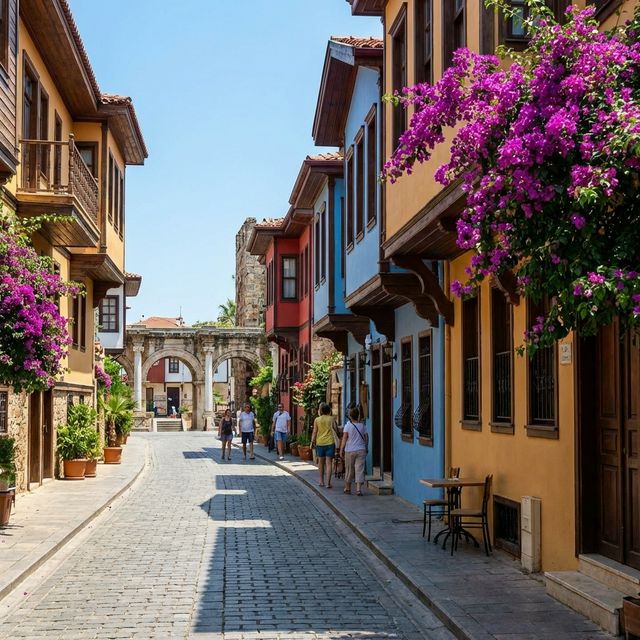
The heart of Kalkan is its old town, where narrow stone-paved streets wind between traditionally-styled buildings, many featuring charming balconies, wooden shutters, and decorative details that evoke the town's Ottoman heritage. Walking through these streets is a delightful experience, with frequent discoveries of small cafes, art galleries, local craft shops, and restaurants tucked into ground-floor spaces.
The old town preserves an authentic Mediterranean atmosphere while accommodating modern tourism infrastructure. Streets are traffic-limited in the center, making them pleasant for leisurely exploration. The pedestrian-friendly layout encourages wandering and discovering hidden corners, small squares with fountains, and unexpected viewpoints offering glimpses of the harbor and sea below.
Rooftop Restaurants with Panoramic Views
One of Kalkan's defining features is its concentration of rooftop restaurants, many offering unobstructed panoramic views over the Mediterranean Sea. These establishments range from casual eateries serving traditional Turkish breakfast and lunch fare to sophisticated restaurants providing fine dining experiences featuring fresh seafood and international cuisine. Dining on a Kalkan rooftop at sunset, watching the Mediterranean light transform through shades of orange and gold, represents a quintessential Mediterranean dining experience.
Many rooftop restaurants feature traditional Turkish carpets and cushioned seating, creating comfortable spaces for lingering over meals while enjoying the views. The combination of excellent food, stunning vistas, and warm Mediterranean hospitality makes Kalkan's restaurant scene highly regarded among international travelers.
Kapitas Beach and Coastal Swimming
Just below Kalkan lies Kapitas Beach, a small pebble beach framed by dramatic cliff formations and accessible via a pleasant descent through the town's streets. Kapitas provides an intimate swimming experience with excellent water clarity and a relaxed atmosphere. The beach is small enough to feel exclusive but large enough to accommodate visitors, with a few beach bars and restaurants offering refreshments and meals.
Beyond Kapitas, the surrounding coastline features numerous small coves and swimming spots accessible via boat excursions. Many boutique hotels in Kalkan arrange private boat transfers to more remote swimming locations, allowing guests to explore pristine, less-visited portions of the Turkish Mediterranean coast.
Demre: Historical Heart of the Lycian Coast
Demre, located 150 kilometers from Antalya Airport via a 2 to 2.25-hour private transfer journey, holds tremendous historical and cultural significance as the site of ancient Myra and as the location of the St. Nicholas Church, which carries profound meaning for Christians worldwide as the historical home of the saint known as Santa Claus. The town offers a compelling combination of archaeological wonders, spiritual significance, and the dramatic Kekova sunken city just offshore.
The St. Nicholas Church and Santa Claus Connection
The Church of St. Nicholas stands as one of the most significant pilgrimage sites in Turkey, drawing visitors from around the world to the site where the historical Saint Nicholas lived and served as bishop during the 4th century AD. The church, which dates to the 11th century, was built to honor the saint whose life inspired the Santa Claus legend known and celebrated worldwide.
St. Nicholas, born in nearby Patara, lived a life of remarkable charitable giving and miraculous deeds that became the foundation of the Santa Claus legend. According to historical accounts and church traditions, he was renowned for his generosity to the poor and his protection of sailors and travelers. The church serves as a venerated pilgrimage site where visitors can connect with the historical roots of one of the world's most beloved cultural figures.
The church interior features a small museum displaying various artifacts and relics, including remnants of the saint's shrine that was relocated during historical periods. The sacred atmosphere of this ancient church combined with its global cultural significance makes it a profoundly meaningful visit for many travelers.
The Ancient City of Myra and Rock-Cut Tombs
Adjacent to the modern town of Demre lie the impressive remains of the ancient city of Myra, one of the most important cities of the Lycian civilization. The site is dominated by a stunning array of rock-cut Lycian tombs carved into the limestone cliff face, creating a dramatic and unforgettable sight. These elaborate tombs, featuring two-story carved facades and ornamental details, represent the pinnacle of Lycian architectural achievement and provide invaluable insights into the beliefs and customs of this ancient civilization.
The Myra site also contains the ruins of a well-preserved Roman amphitheatre, which once seated approximately 10,000 spectators. Despite centuries of earthquakes and weathering, substantial portions of the amphitheatre's structure remain intact, allowing visitors to comprehend its original scale and grandeur. The theatrical history of Myra and its cultural importance during ancient times becomes apparent when exploring these impressive ruins.
The entire archaeological site is extensive and rewards several hours of exploration. The combination of the dramatic cliff-tombs and the amphitheatre theatre ruins creates one of Turkey's most photographically stunning historical sites. The site is well-maintained with clearly marked pathways, informational signs, and reasonable entry fees.
Kekova Sunken City and Boat Tours
Just offshore from Demre, the Kekova area features the submerged remains of an ancient city that was destroyed by earthquakes and now lies partially underwater, creating one of Turkey's most unique and intriguing archaeological experiences. The sunken city can be explored via boat tours that depart from Demre's harbor, providing visitors with an unusual perspective on ancient ruins while enjoying Mediterranean swimming and snorkeling opportunities.
The boat tours typically take 3 to 4 hours and include time for swimming and snorkeling above the sunken structures, allowing visitors to observe underwater ruins while enjoying the crystal-clear waters. Some tours include visits to nearby islands and coastal villages, providing a complete exploration of the Kekova region. The combination of archaeology, natural beauty, and water-based activities makes Kekova tours one of the most popular activities for Demre visitors.
Several tour companies operate daily boat services from Demre harbor, with varying itineraries and duration options available. Most tours provide light meals or refreshments onboard and offer excellent opportunities for photography and underwater observation.
Patara: Turkey's Longest Beach and Pristine Natural Sanctuary
Patara, situated 180 kilometers from Antalya Airport via a 2.5 to 3-hour private transfer journey, is home to Turkey's longest beach, an extraordinary 18-kilometer stretch of golden sand that remains remarkably undeveloped and maintains a pristine natural character despite its exceptional length. The beach serves as a nesting ground for endangered Mediterranean loggerhead sea turtles, adding significant ecological importance to this remarkable natural site.
The 18-Kilometer Patara Beach
The Patara Beach is a natural phenomenon that must be experienced to be fully appreciated. Stretching for 18 kilometers along the Turkish coast, it represents one of the Mediterranean's most expansive and least-crowded beaches. The beach remains largely natural and undeveloped, with minimal commercial infrastructure, creating an authentic Mediterranean beach experience seemingly from another era.
The sand is fine and golden, the water is typically crystal clear, and the beach gently slopes into the sea, making swimming safe and accessible. The beach's immense length means that even during the busiest summer months, it never feels crowded. Visitors can often find isolated stretches of beach for truly private swimming and sunbathing experiences.
The beach environment supports diverse flora, with dune vegetation and coastal pine trees providing natural shade in some areas. The relative undevelopment of Patara Beach means that amenities are limited compared to resort beaches, requiring visitors to bring provisions, but this limitation is largely responsible for the beach's preservation of its pristine character.
Ancient Lycian Ruins and Archaeological Significance
Beyond the beach, the Patara area contains significant archaeological ruins from the ancient Lycian period. Ancient Patara was an important port city and birthplace of Saint Nicholas, with substantial ruins including gates, fortifications, and other structures that testify to its historical importance. The site is considerably less visited than Myra, providing a more contemplative and intimate archaeological experience.
The ruins are located near the beach access point, making it practical to combine a visit to the beach with exploration of the archaeological site. The setting of ancient ruins against the backdrop of the unspoiled beach creates a poignant reminder of the passage of time and the enduring appeal of this coastal location across centuries.
Sea Turtle Nesting Ground
Patara Beach serves as a critical nesting ground for the endangered loggerhead sea turtle (Caretta-Caretta), making it an important site for marine conservation efforts. During the nesting season, typically from May through August, female sea turtles come ashore to lay their eggs in the sand. The Turkish government and various environmental organizations work to protect these nesting sites, with designated areas roped off during the nesting season to prevent disturbance.
Visitors to Patara during nesting season may have the opportunity to observe conservation efforts and learn about sea turtle protection. Some environmental organizations offer special evening programs where visitors can observe hatchlings returning to the sea, though such programs require advance arrangement and strict adherence to environmental protocols to minimize disturbance to the turtles.
Patara Lighthouse
Patara Lighthouse, perched on a rocky promontory overlooking the beach and sea, adds a romantic element to the Patara landscape. The lighthouse, accessible via a short walk from the main beach area, offers excellent vantage points for photography and provides historical context to the site's maritime importance. The sunset views from the lighthouse area are particularly spectacular, with the sun descending toward the Mediterranean Sea creating dramatic lighting and color across the landscape.
Why Choose Private Transfer Over Public Transport
While public transportation options exist between Antalya and the Western Mediterranean coast destinations, private transfer services offer substantial advantages that justify the investment. Understanding these advantages helps explain why private transfers have become increasingly popular among visitors to this region.
Convenience and Direct Service
Private transfers provide door-to-door service directly from Antalya Airport to your accommodation without intermediate stops, transfers, or changes of vehicle. This direct service eliminates the need to navigate public transportation systems, find bus terminals, wait for scheduled departures, and coordinate multiple connections. For travelers arriving with luggage, this direct service represents a significant convenience that allows them to begin their vacation without logistical stress.
Flexibility and Control of Schedule
Unlike public transportation, which operates on fixed schedules, private transfers accommodate your arrival time regardless of when your flight lands. Early morning arrivals, late-night landings, and schedule changes all present challenges for public transportation but are seamlessly handled by private transfer services. Similarly, return transfers from your destination to the airport can be scheduled precisely according to your flight time, without concern for bus schedules.
Comfort and Condition of Vehicles
Private transfer vehicles are modern, clean, and well-maintained, with features like air conditioning, comfortable seating, and amenities such as WiFi connectivity and phone chargers. In contrast, public buses operating on coastal routes are often older vehicles that lack amenities and may be uncomfortable during the 2.5 to 3-hour journey, particularly during summer heat.
Driving Expertise and Safety
The D400 coastal highway presents genuine driving challenges with numerous curves, hairpin turns, and steep grades that demand skillful, experienced driving. Professional transfer drivers have extensive experience navigating these roads safely and efficiently. They understand the specific hazards of the route and operate vehicles appropriately. While public bus drivers also have experience with these roads, the comfort and safety advantages of modern private transfer vehicles are substantial.
Local Knowledge and Assistance
Professional transfer drivers typically possess detailed knowledge of the route, local points of interest, and practical travel tips. Many provide commentary about the regions being traveled through, answer questions about destinations, and offer recommendations for restaurants, attractions, and activities. This local knowledge enriches the travel experience and provides practical assistance beyond simple transportation.
Luggage and Convenience Services
Professional transfer services include assistance with luggage loading and unloading, ensuring that passengers are not burdened with the physical work of managing their baggage. This is particularly valuable after long flights when travelers are fatigued. Some transfer services also offer additional conveniences such as beverage service, flight delay accommodations, and assistance with hotel check-in information.
Vehicle Options for Mountain and Coastal Roads
Different vehicle types are suitable for the mountain and coastal roads between Antalya and the Western Mediterranean destinations. Understanding the vehicle options helps travelers select appropriate transportation for their specific needs and preferences.
Standard Passenger Sedans
Standard passenger sedans are suitable for most travelers and road conditions along the D400 coastal highway. These vehicles offer comfortable seating for up to four passengers plus driver, fuel efficiency, and adequate luggage capacity. Sedans provide a refined and elegant travel experience, particularly suitable for travelers who prioritize comfort and sophistication over cargo capacity.
SUVs and Larger Vehicles
Sport utility vehicles and larger passenger vans are ideal for families, groups of travelers, or those with substantial luggage requirements. These vehicles provide increased interior space, higher seating positions offering better views of the coastal scenery, and additional cargo capacity. SUVs and vans are particularly suitable for travelers planning extended stays with multiple destinations or those requiring maximum comfort and space.
Minibus and Group Transfer Options
For groups of travelers, minibus services accommodate 6 to 14 passengers comfortably while maintaining the advantages of private transfer service. Minibus transfers allow groups to travel together while avoiding the impersonality of public transportation. This option is particularly suitable for organized tours, family groups, or companies arranging employee travel.
Best Travel Seasons for Coastal Visits
The Western Mediterranean coast of Turkey experiences a Mediterranean climate characterized by hot, dry summers and mild, wet winters. Selecting the optimal travel season significantly impacts the quality of your experience and the comfort level during visits to outdoor sites.
April Through June: Spring and Early Summer
Spring and early summer represent ideal travel seasons for the Western Mediterranean coast. During April, May, and June, daytime temperatures typically range from 20 to 28 degrees Celsius, providing warm weather without excessive heat. The sea temperature gradually increases from about 18 degrees Celsius in April to approximately 25 degrees Celsius by June, allowing comfortable swimming and diving activities. Spring weather brings occasional rainfall that keeps the landscape lush and green, while generally providing abundant sunshine.
These months feature perfect conditions for exploring archaeological sites, as the heat is not excessive but the weather is reliably sunny. Diving conditions are excellent during these months, with good visibility and moderate sea conditions. Tourism levels are moderate, with the region neither overcrowded nor empty, allowing for a balanced experience of attractions and restaurants operating at full capacity without excessive crowds.
September Through November: Autumn Conditions
Autumn months from September through November offer another excellent travel window for the Western Mediterranean. Sea temperatures remain warm, typically between 23 and 28 degrees Celsius through September and October, cooling to about 20 degrees Celsius by November. Air temperatures gradually decrease from hot summer levels to comfortable autumn conditions, with September and October still quite warm and pleasant.
Autumn provides excellent light for photography and archaeological exploration, as the lower angle of the sun creates dramatic shadows and rich colors. The summer tourist crowds have dispersed by September, making popular sites and restaurants less congested while remaining fully operational. Weather remains largely dry and sunny through October, with November introducing somewhat more variable conditions and increased rainfall.
July and August: Peak Summer Season
July and August represent peak tourism season when daytime temperatures regularly exceed 35 degrees Celsius and can reach 40 degrees Celsius or higher. The sea remains warm and perfect for swimming, approximately 28-29 degrees Celsius. However, the intense heat during these months makes outdoor activities like archaeological site visits and walking tours challenging and uncomfortable during midday hours. Most local residents and experienced travelers adopt a pattern of morning and late-afternoon activities with rest periods during the hottest hours.
Peak season brings crowds to popular attractions, restaurants, and beaches. Hotels and accommodations operate at full capacity with premium pricing. While July and August certainly offer acceptable beach vacation conditions, travelers seeking a more comfortable exploration experience or less crowded conditions should consider spring or autumn seasons.
Winter and Wet Season Considerations
Winter months from December through March are least suitable for most travelers due to frequent rainfall, cooler temperatures typically between 8 and 16 degrees Celsius, and reduced daylight hours. Sea temperatures drop to about 16-17 degrees Celsius, suitable only for experienced divers in wetsuits. Many smaller hotels, dive schools, and restaurants close during winter months. However, winter offers dramatic cloud formations, moody lighting, and solitude for those seeking a quieter, more introspective Mediterranean experience.
Night Driving on Winding Coastal Roads: Safety Tips and Considerations
Some travelers arrive on evening or night flights, making nighttime transfer journeys necessary. The D400 coastal highway presents specific challenges during night hours that travelers should understand and prepare for appropriately.
Challenges of Nighttime Coastal Driving
The numerous curves, hairpin turns, and elevation changes of the D400 become more challenging during nighttime when visibility depends entirely on vehicle headlights and moonlight. The winding nature of the road means that vehicles cannot operate at the highway speeds possible on straightforward roads, even under optimal conditions. Additionally, the coastal cliffs and mountain terrain mean that there are no alternative routes if the main road becomes impassable.
Nighttime driving on this route requires professional drivers with specific experience of these roads in darkness. The intensity of concentration required for safe navigation increases substantially during night driving on challenging mountain roads. Drivers must navigate curves, observe for fallen obstacles, watch for slower vehicles without running lights, and maintain alert observation of the roadway.
Professional Driver Experience and Expertise
Hiring professional transfer services with experienced drivers specifically trained for nighttime coastal road driving is strongly recommended for night journeys. Professional drivers possess the focused concentration, reflexes, and intimate knowledge of the road required for safe nighttime navigation. They understand sight distance limitations, optimal speeds for curves and grades, and proper vehicle handling techniques.
Vehicle Condition and Lighting
Modern transfer vehicles feature high-quality headlights, properly functioning braking systems, and reliable mechanical conditions that are essential for safe nighttime mountain driving. Transfer vehicles are regularly maintained and inspected to ensure all safety features function optimally. This level of vehicle maintenance and condition far exceeds typical personal vehicle standards and is crucial for night driving safety.
Passenger Comfort During Night Transfers
While nighttime transfer journeys require longer actual driving times due to the necessity of reduced speeds, many passengers find these journeys relatively comfortable because the darkness allows for easier sleep compared to daytime driving with scenic views inviting observation. Positioning yourself comfortably with a pillow and blanket often makes night transfer journeys surprisingly restful despite the driving duration.
Early Morning Arrival Alternative
For travelers specifically concerned about night driving safety, booking evening flights that arrive at Antalya Airport sufficiently early to begin the transfer journey before darkness falls offers a practical alternative. Many travelers prefer arriving in daylight, enjoying the scenic coastal drive, and settling into accommodations before evening rather than managing a nighttime journey.
The Booking Process and What's Included in Private Transfers
Understanding the booking process and the specific services included with private transfers ensures you select appropriate services and receive the full value of your investment.
Pre-Booking Information Required
Standard private transfer bookings require specific information to arrange optimal service. You'll need to provide your flight number and expected arrival time at Antalya Airport, the specific hotel or accommodation name and address in your destination, the number of passengers, and any special requirements such as child seats, wheelchair accessibility, or preferred vehicle type.
If booking a return transfer, provide your hotel details, desired pickup time, and flight information for your departure. Most transfer operators request this information at least 24 hours before your scheduled transfer to allow proper scheduling and vehicle assignment.
Airport Pickup Service and Meet and Greet
Professional transfer services include airport pickup where a driver meets you at the arrivals hall. Most services provide a name board display or detailed pickup instructions to ensure easy identification of your driver. The driver typically assists with luggage, helps navigate you to the transfer vehicle, and begins the journey to your destination once all passengers are settled and comfortable.
Some premium transfer services include meet and greet services where a representative greets you by name, assists with any special requirements, and handles logistics while the driver focuses on vehicle operation. This level of service is particularly valuable when traveling with young children, elderly family members, or those unfamiliar with Turkish customs and procedures.
Standard Services and Amenities Included
Standard private transfer packages typically include modern, air-conditioned vehicle transportation, professional driver service, luggage assistance, and point-to-point transportation from Antalya Airport to your destination. Vehicles feature comfortable seating, adequate legroom, and climate control for passenger comfort during the 2.5 to 3-hour journey.
Many transfer services include additional amenities such as complimentary bottled water for passengers, phone charging capabilities, and WiFi connectivity in vehicles. Some services offer light refreshments or snacks, though this varies among operators and may be reflected in pricing differences.
Communication and Flight Delay Procedures
Reputable transfer services monitor flight information and automatically adjust pickup times if your flight is delayed. This eliminates the concern of paying a transfer fee and then finding the vehicle departed on schedule while your flight arrives late. Clear communication procedures should be established, with the transfer operator providing contact telephone numbers and communication protocols.
Many services request your mobile phone number to facilitate final-hour communication regarding exact pickup location and procedures. This direct communication capability ensures smooth coordination and allows for adjustment if unexpected situations arise.
Fixed Pricing Models
Quality transfer services operate with established fixed pricing that doesn't fluctuate based on demand, season, or other factors once a booking is confirmed. This transparent pricing model allows travelers to budget accurately and eliminates concern about unexpected price increases. Fixed pricing provides substantial advantages over unmetered taxi services where pricing negotiation or meter manipulation could result in excessive charges.
Online Booking Platforms and Direct Contact
Transfer services can typically be booked through online platforms, email, telephone, or through hotel concierge services. Online platforms provide booking confirmation immediately and often offer the most competitive rates. Direct telephone contact allows for discussion of specific requirements and special arrangements. Hotel concierge services provide convenience and the assurance of working through an establishment you trust.
Frequently Asked Questions About Transfers and the Western Mediterranean Coast
What is the exact distance from Antalya Airport to Kas?
The distance from Antalya Airport to Kas via the D400 coastal highway is approximately 190 kilometers. The actual driving journey typically takes 2.5 to 3 hours under normal traffic and weather conditions, though this time may extend during peak season, adverse weather, or nighttime driving.
Are transfers cheaper if I book for multiple days?
Many transfer services offer reduced rates for multi-day transfers or round-trip bookings where you book both arrival and departure transfers with the same operator. Advance booking sometimes offers savings compared to booking individual transfers. Contact providers directly to inquire about package pricing options available for your specific travel requirements.
Can I book a transfer and cancel if my plans change?
Cancellation policies vary among transfer providers. Most require cancellation at least 24 to 48 hours in advance for full refunds. Cancellations within shorter timeframes may be subject to partial cancellation fees. Always clarify cancellation policies when booking to understand your rights if plans change.
What if my flight is delayed and I arrive later than expected?
Reputable transfer services monitor flight information and automatically adjust pickup times for delayed flights. You should not be charged additional fees if your flight is delayed. Most services build some flexibility into their scheduling for typical flight delays. Very extended delays beyond several hours may require rescheduling, but the transfer operator will communicate with you regarding such situations.
Are transfers available during night hours and early morning hours?
Most professional transfer services operate 24 hours per day to accommodate various flight arrival times. Night and early morning transfers are available, though early morning transfers before dawn may carry premium pricing. Confirm availability for your specific arrival time when booking.
Do I need to inform the transfer operator about luggage quantity?
Standard transfer vehicles accommodate reasonable luggage quantities for typical holiday travel. If you plan to travel with unusual amounts of luggage, inform the transfer operator during booking so they can assign an appropriately-sized vehicle if necessary. Most transfers accommodate 2 to 3 large suitcases plus smaller carry-on luggage without issue.
What payment methods are accepted for transfer bookings?
Most transfer services accept credit card payments online, bank transfers, and increasingly accept digital payment methods. Some operators may accept cash payment to the driver, though prepayment is generally more secure. Confirm accepted payment methods when booking your transfer.
Is travel insurance available for transfer services?
Transfer services typically provide standard liability insurance coverage for passengers. Some operators offer supplemental travel protection insurance that covers trip cancellation and additional contingencies. Inquire about insurance options when booking if you desire additional protection beyond standard coverage.
Can I adjust my destination or itinerary after booking a transfer?
Minor adjustments to hotel addresses or destinations within the same general area can usually be accommodated with advance notice. Significant changes, such as requesting diversion to multiple destinations during a single transfer, may require repricing or rebooking. Contact the transfer operator immediately if you anticipate any changes to your original booking.
What languages do transfer drivers speak?
Professional transfer drivers typically speak Turkish and English. Many international transfer companies employ multilingual drivers or can arrange drivers speaking specific languages with advance notice. If you require a driver speaking a specific language beyond English, request this during booking.
Are children's car seats available for young children?
Safety-conscious parents should request appropriate child seats when booking transfers with young children. Most reputable operators can provide legally-compliant child safety seats if requested in advance. Confirm availability and any additional charges for child seats during the booking process.
What is the typical tipping customary for transfer drivers?
Tipping practices vary, but generally, tipping transfer drivers is appreciated but not obligatory. A 10% gratuity or 10-15 Turkish Lira is customary if service is excellent, though many travelers base tipping decisions on service quality and personal budget considerations. Tips should never be expected to be included in fixed transfer pricing.
Call to Action and Booking Information
Ready to begin your Western Mediterranean adventure with comfortable, reliable private transfer service from Antalya Airport to Kas, Kalkan, Demre, or Patara? Our professional transfer operators offer the convenience, comfort, and expertise you deserve for this important first leg of your Turkish vacation.
Visit our booking platform at /en/booking to arrange your transfer today, secure in the knowledge that experienced professionals will care for your transportation needs while you focus on the anticipation of the remarkable experiences awaiting you on Turkey's stunning Turquoise Coast.
For direct inquiries, questions about specific requirements, or to discuss custom arrangements, please contact us directly by telephone at +90 (549) 900 71 998 or +90 (551) 086 83 68. Our multilingual staff is available to discuss your specific needs and provide personalized recommendations based on your travel plans and preferences.
We look forward to welcoming you to Turkey's Western Mediterranean coast and providing transportation service that sets the perfect tone for your unforgettable vacation experience.
Planning your trip?
Book your private airport transfer now and save up to 50% compared to regular taxis.