Medical-Travel Transfers in Antalya: A Calm Logistics Guide for Patients
Antalya has become one of Europe’s busiest destinations for planned medical travel — hair restoration, dental work, aesthetic and elective surgery. What sets a medical trip apart from a holiday is not the flight; it is the rhythm on the ground. There are fixed clinic times, a recovery window that cannot be rushed, and a version of you on the return leg who is more tired than the one who arrived. Transfers for a medical trip should be arranged with that rhythm in mind. Here is how to think about it.
The schedule belongs to the clinic, not the calendar
A leisure transfer is built around your preferences. A medical transfer is built around your appointments. Consultation, procedure, a post-op check the next morning, sometimes a dressing change or a scan two days later — these times are set by the clinic and they do not move for traffic. The practical answer is to treat the clinic’s schedule as the master timetable and book each leg against it, with margin built in. A driver who arrives early and waits is worth far more here than one you have to chase.
The vehicle matters more on the way back
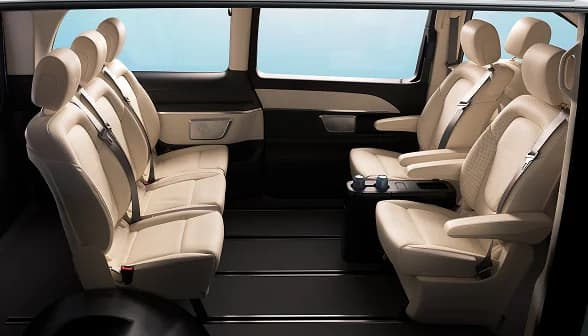
On arrival you are simply a traveller. On the return leg — or the ride from clinic to hotel after a procedure — comfort stops being a nicety. A reclining seat, a smooth suspension, climate you control, and short, unhurried transfers make a genuine difference to how you feel. For procedures that affect mobility, a higher vehicle you step across into rather than drop down into is easier, and there is room for a companion to sit beside you rather than in front.
Discretion is part of the service
Many patients would simply rather not discuss why they are travelling. A professional transfer respects that completely. There is no curiosity, no commentary, no questions beyond what is needed to get you where you are going comfortably. The same driver across the whole stay, where possible, means you never re-explain your situation to a stranger — the person at the kerb already knows the plan.
Building the itinerary
A typical medical stay has a predictable shape, and each leg is worth booking in advance rather than arranging on the day:
- Airport to hotel on arrival, with flight tracking so a delayed landing simply moves the pickup.
- Hotel to clinic and back for the consultation and the procedure, timed to the clinic’s slots with waiting included.
- Follow-up runs for check-ups, dressing changes or scans across the following days.
- Hotel to airport on departure — the leg where comfort and a calm, punctual pickup matter most.
Planning your trip?
Book your private airport transfer now and save up to 50% compared to regular taxis.
Travelling with a companion
If someone is travelling with you, that is a strength worth planning around. A vehicle with genuine room means your companion can carry the logistics — bags, documents, directions — while you simply rest. Booking the whole stay as one arrangement, rather than a series of separate taxis, keeps everything under one confirmation and one point of contact, which is exactly what you want when your attention is on recovery rather than on organising cars.
The quiet goal
Good medical-travel transport is almost invisible. It does not add an experience; it removes obstacles. The measure of it is simple — that across a trip built around appointments and recovery, getting from place to place was the one thing you never had to worry about.
Planning your trip?
Book your private airport transfer now and save up to 50% compared to regular taxis.